

20.-21.05.2026
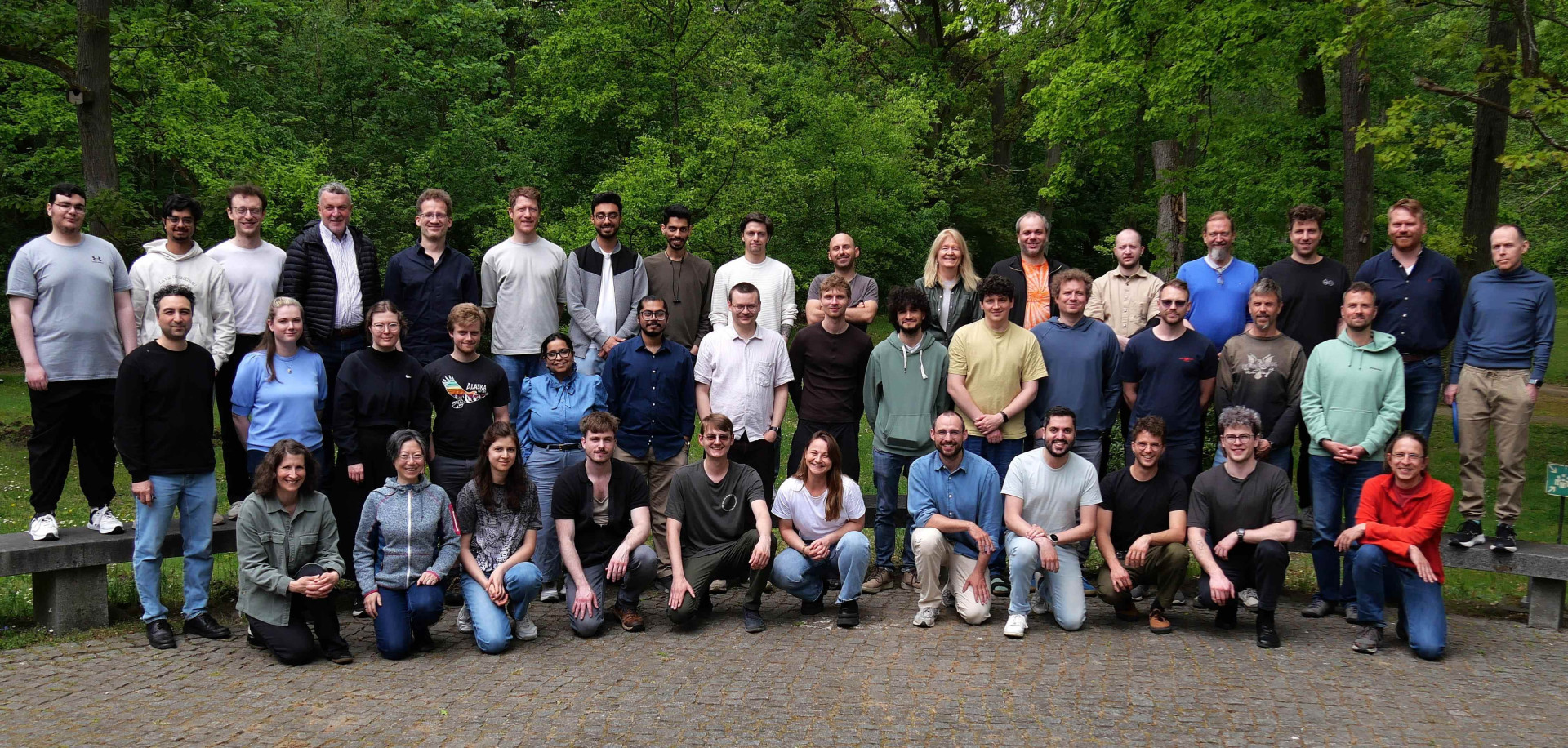
Two intensive days, secluded in Schorfheide and far away from the everyday routine of university life: As part of the DFG-funded research impulse „Berlin Initiative for Applied Foundation Model Research,“ 48 participants from the Berlin University of Applied Sciences and Technology (BHT) and the HTW Berlin – University of Applied Sciences (HTW) met for this year’s Summer School. The group was a diverse mix of professors, doctoral candidates, and students. This conscious break from Berlin created exactly the space that good science sometimes needs: concentration, get-together, and the freedom for new thoughts.
A Milestone: Students Participating for the First Time
A special innovation this year: For the first time, students were specifically invited to the Summer School. In a protected, collegial environment, they presented their research projects together with their supervisors, providing them with the opportunity to gain initial experience in scientific presentation and academic discourse. The goal was not only to introduce them to current research topics but also to show them concrete scientific career paths. An important signal: research is not a closed circle; it begins early, and it pays off to get involved early.
From Robot Hands to Language Models: Research Up Close
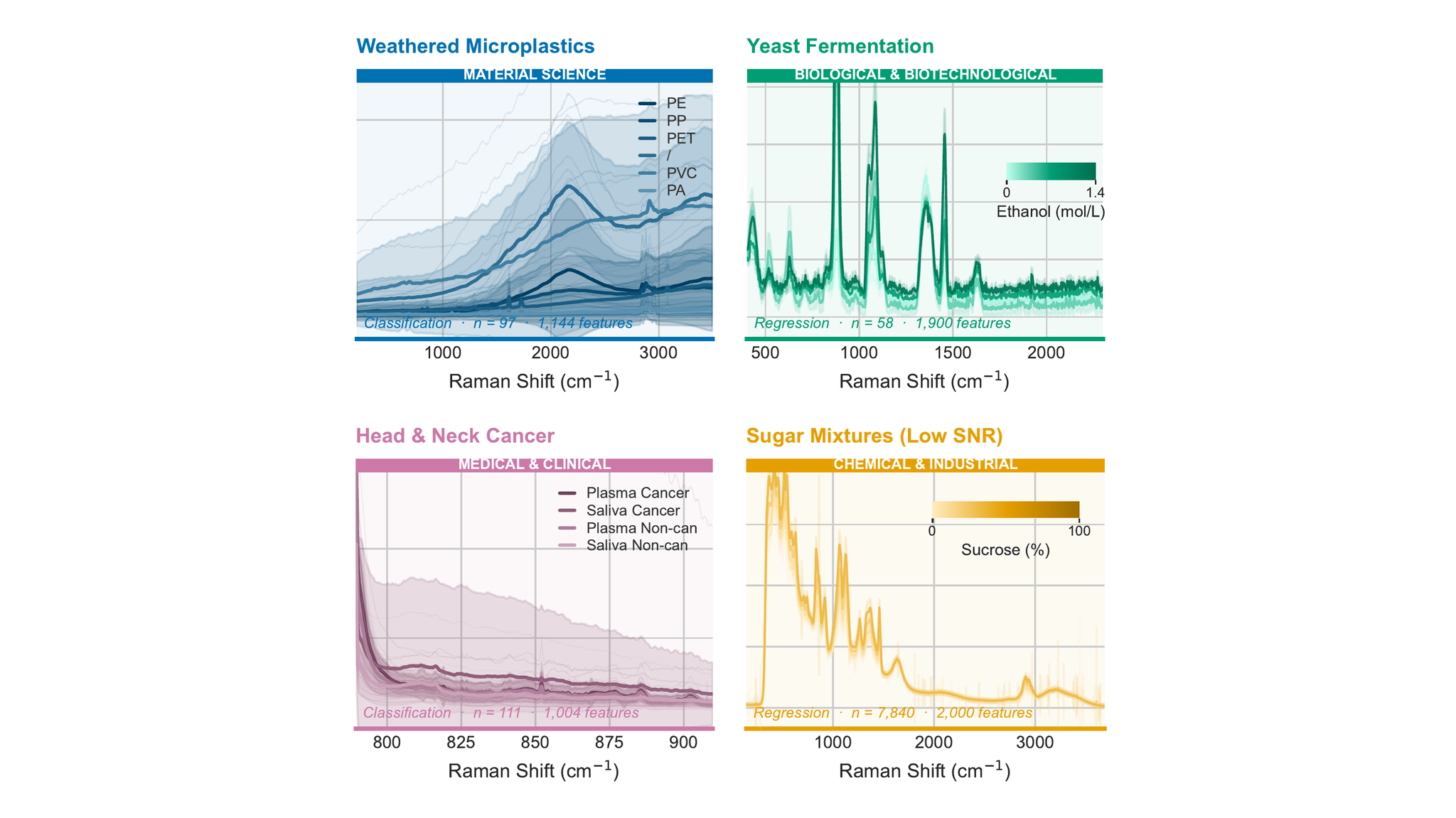
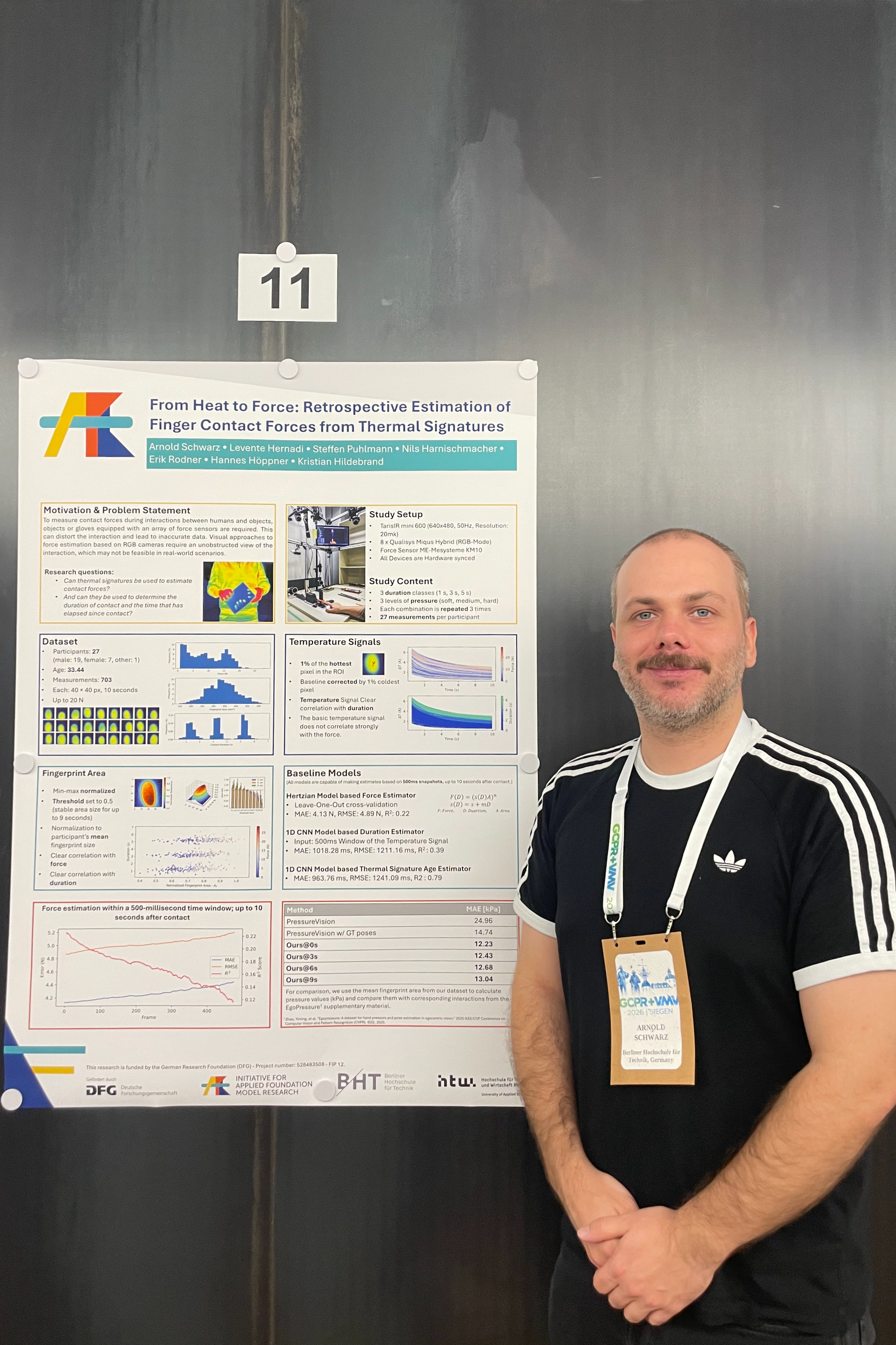
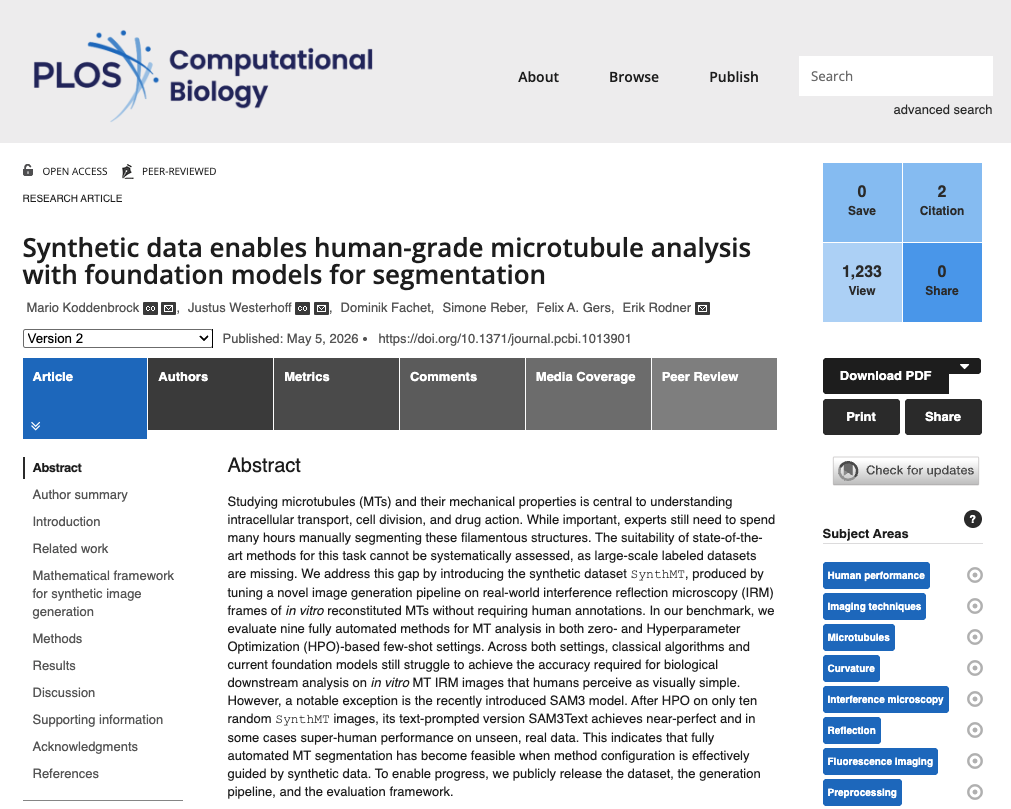
The Summer School offered an intensive program in three poster sessions, students and doctoral candidates presented their current projects ranging from AI-supported image segmentation for biomedical data and groundwater modeling with deep learning, to haptic input stations for the teleoperation of humanoid robots. The format was a 2–3 minute pitch, followed by candid discussion. The joint sessions for students and doctoral candidates specifically promoted exchange on equal footing.
In the „Birds of a Feather“ sessions, researchers discussed topics in parallel tracks such as Bio & Vision, Neuroscience, Robotics, and Representation Learning – informally, interdisciplinarily, and productively.
Program Highlights
- Robotics & Embodied AI: Soft robotic hands, variable stiffness, thermal imaging, and visuo-haptic interfaces made the future of human-machine interaction tangible.
- Bio & Medicine: Automated antibiotic resistance research, medical image analysis, and calibration-based deep learning models showed how AI can improve lives.
- Language & Cognition: Idiomatic language, structured sequence modeling, and benchmark studies on tabular learning methods unlocked new perspectives.
- Agentic Coding: In an evening workshop, the group dug deep into agentic coding on the internal BHT cluster with Peter Tröger. Participants were impressed by the sheer power of the computing cluster and the local Large Language Models (LLMs) now running on it, which are a significant research asset. Although these are not as powerful as commercially available ones, they can be run without time constraints, thus giving the reseach group a major advantage.
Science Needs Community
What makes the Summer School special? The mix of topics and connection. The seclusion of Schorfheide played its part: between poster sessions and workshops, a joint afternoon walk through nature was also on the agenda. This provided time for informal conversations, spontaneous ideas, and genuine team spirit. The event concluded with a feedback round before participants returned home with new stimulus.