


Integration into BHT Research & Teaching
Integration into Research
The BHT pursues a clear vision: to actively shape the profound and technological structural change through the integration of advanced artificial intelligence, in order to transform the complex challenges of demographic change in economy, society, and health into sustainable, future-proof solutions.
This vision is supported by BHT’s three research priorities recognized by the German Rectors‘ Conference(Hochschulrektorenkonferenz) – health technologies, data science & AI, and urban technologies – as well as three specialized research centers – Data Science +X, HARMONIK (humanoid robotics), and IMPACT (drug design & analytics).
Appl-FM as a Catalyst
Within this structure, the research impulse “Appl-FM” (Berlin Initiative for Applied Foundation Model Research) plays a key role. While the existing research centers have built deep domain expertise in specific fields, Appl-FM provides the methodological framework: the adaptation of foundation models.
Through connecting:
- Robotics (from the HARMONIK research center),
- Quantitative biology & predictive medicine (from the Data Science +X and IMPACT contexts),
- and current machine learning challenges,
the research impulse creates a synergy that transcends the boundaries of individual departments.
Furthermore, this research impulse serves as an integral part of the BHT Doctoral Center. Appl-FM promotes interdisciplinary collaboration and paves the way for the next generation of scientists who develop complex, multimodal AI systems to address real-world societal problems.
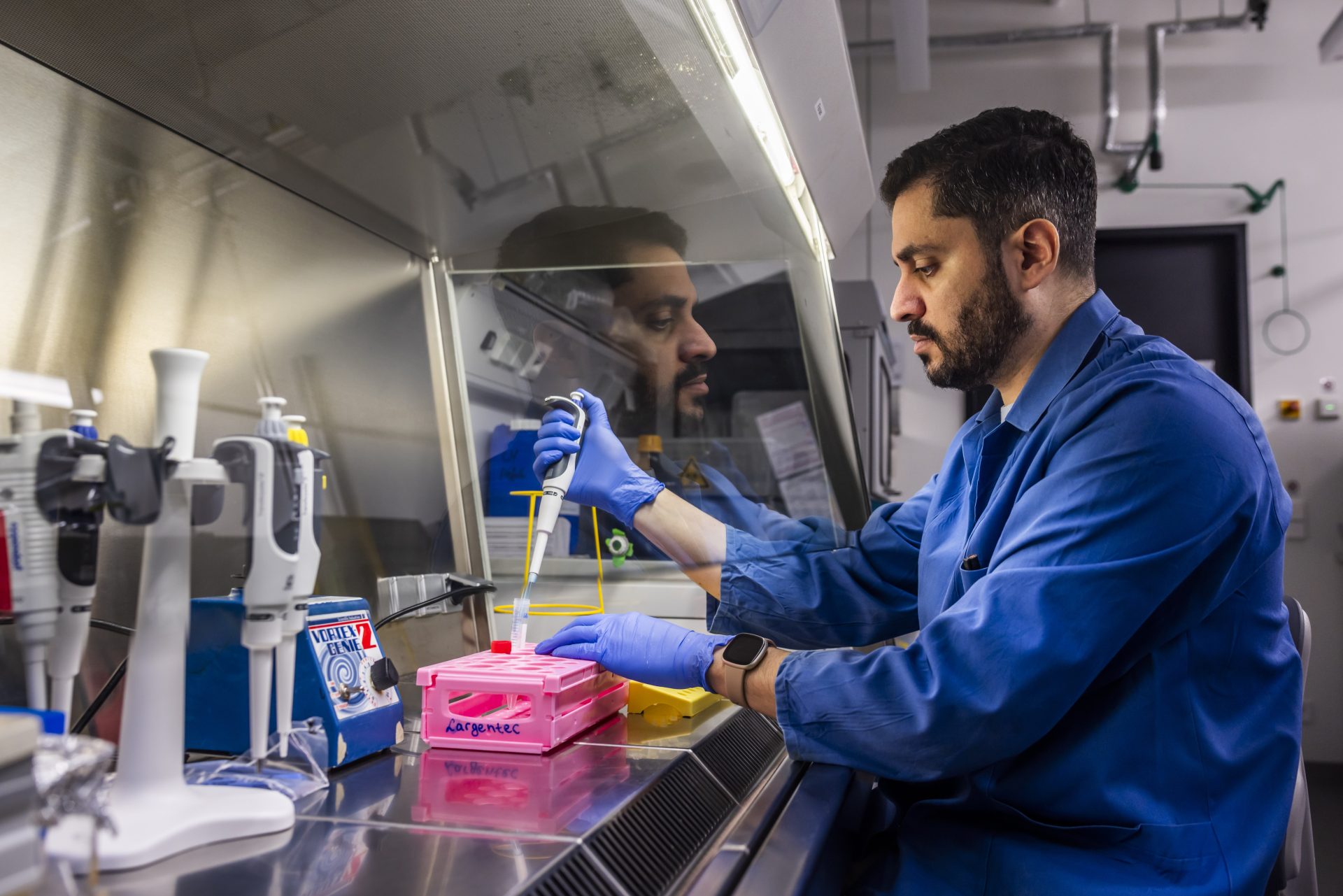 ©Spread the Nerd / Rolf Schulten
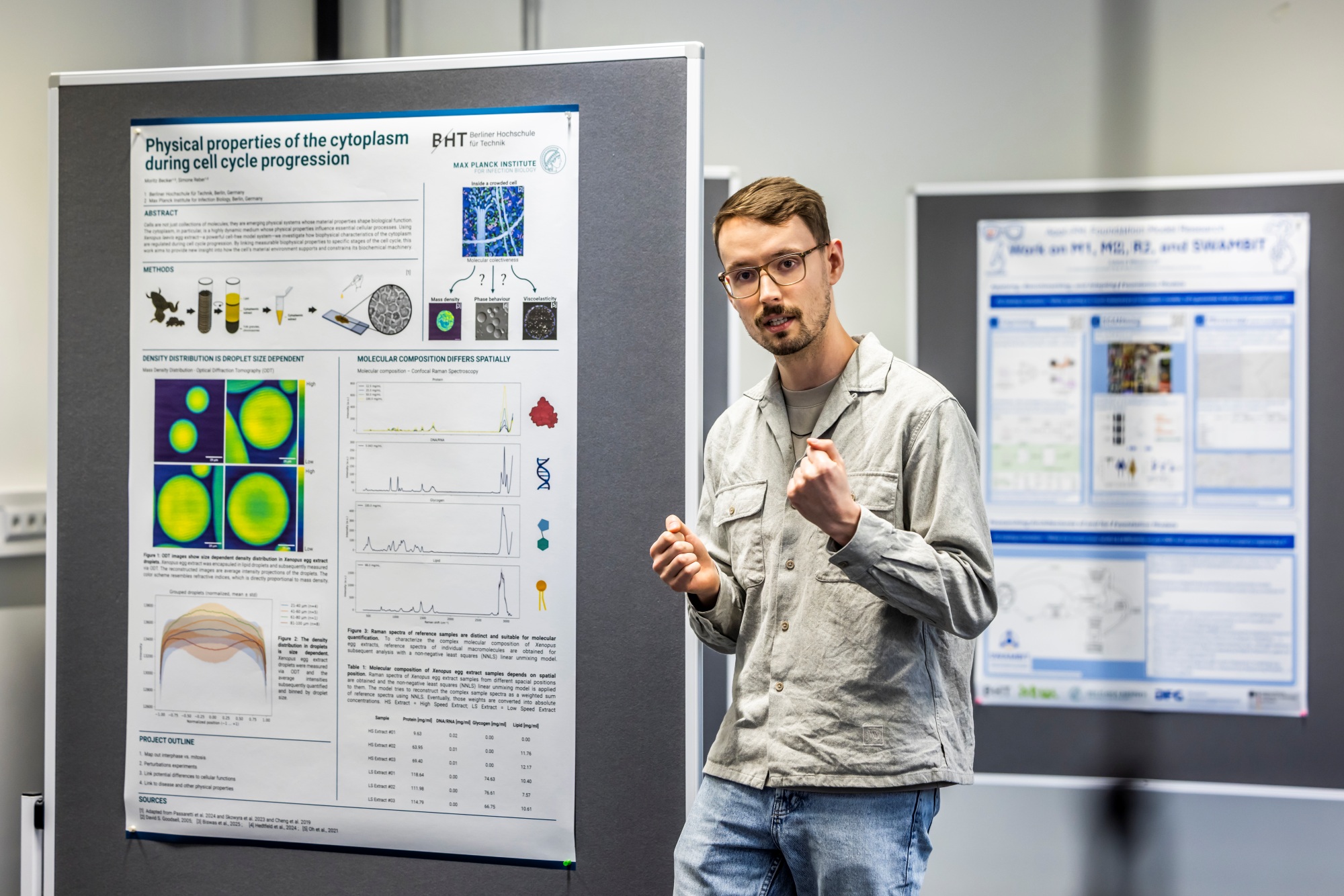 ©Spread the Nerd / Rolf Schulten
Integration into Teaching
Both BHT and HTW Berlin offer internationally recognized study programs, and we, the Appl-FM team, offer students in these programs the opportunity to share in our research experience. The students involved get to work hands-on on state-of-the-art topics in foundation model research while contributing to ongoing scientific work. We believe that early access to research in higher education not only helps students develop their interest in and aptitude for conducting research, it also helps us discover and recruit the best future scientists.
The various opportunities available according to study program include the following:
- Biotechnology Master at BHT: We plan to involve the students in the Molecular Biology and Molecular Medicine course to help explore and analyze the data set collected via the earlier stages of the Appl-FM project.
- Computer Science and Engineering Master at HTW Berlin: Students under the research track of this program investigate current research questions from Appl-FM, both as part of advanced courses as well as topics of master’s theses. To date, their contributions include, for example, the evaluation of video instance and foundation models for microscopy data and support in the robustness evaluation of foundation models.
- Data Engineering Bachelor at BHT: Multiple elective courses such as Large Language Models, Robotics, and Systems Biology study the fundamentals on which Appl-FM research is based. Indeed, students can expect to learn about the latest research in the relevant Appl-FM projects, as the course instructors are part of the Appl-FM team.
- Data Science Master at BHT: Students have many opportunities to get involved. In the Business Intelligence, Enterprise Data Science, and Text Mining courses, they work with large-scale representation learning and multimodal models to investigate issues such as robustness, explainability, and domain adaptation. In research seminars, students participate in projects that expose them directly to the current challenges originating from Appl-FM. In a master’s thesis, students can work on a smaller, focused research problem also from Appl-FM, thus contributing results directly to the overall research project.
- Media Informatics Master at BHT: In the Computer Vision and Learning from Images courses, students can also access the Appl-FM data sets and learn how to approach them differently based on the data set’s size as well as the tasks involved.
- Humanoid Robotics Bachelor at BHT: In the course Robotics Project students learn how to design, manufacture, assemble and use soft robotic hands for advanced grasping with insights based on the SIRo Softhand developed in the Appl-FM project.
Integrating research into teaching has been a proven strategy for us to prepare students for a doctoral research program. Thanks to the establishment of the Graduate Research Center, these students can stay with us for their doctoral studies and continue their research in the same projects, thereby giving them a big boost right on day one.
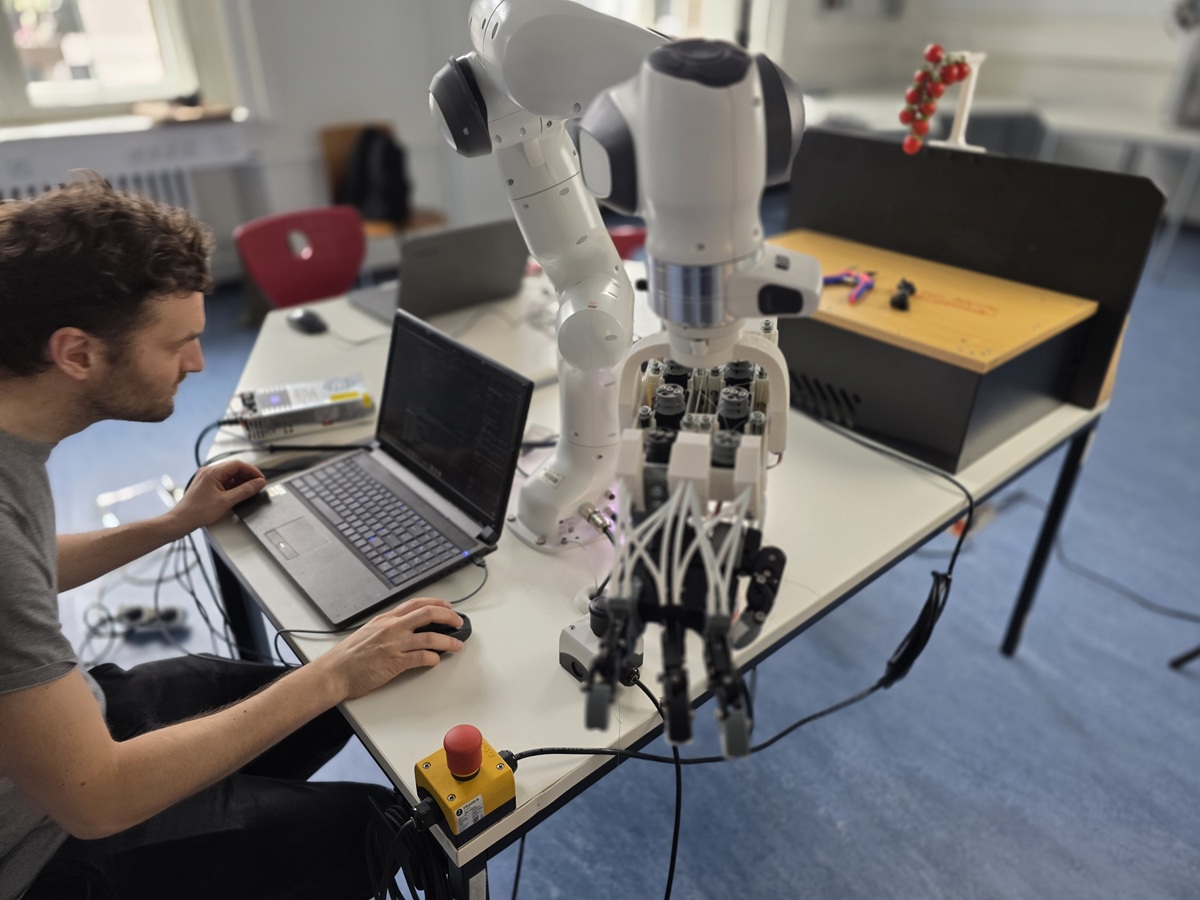 Student of humanoid robotics
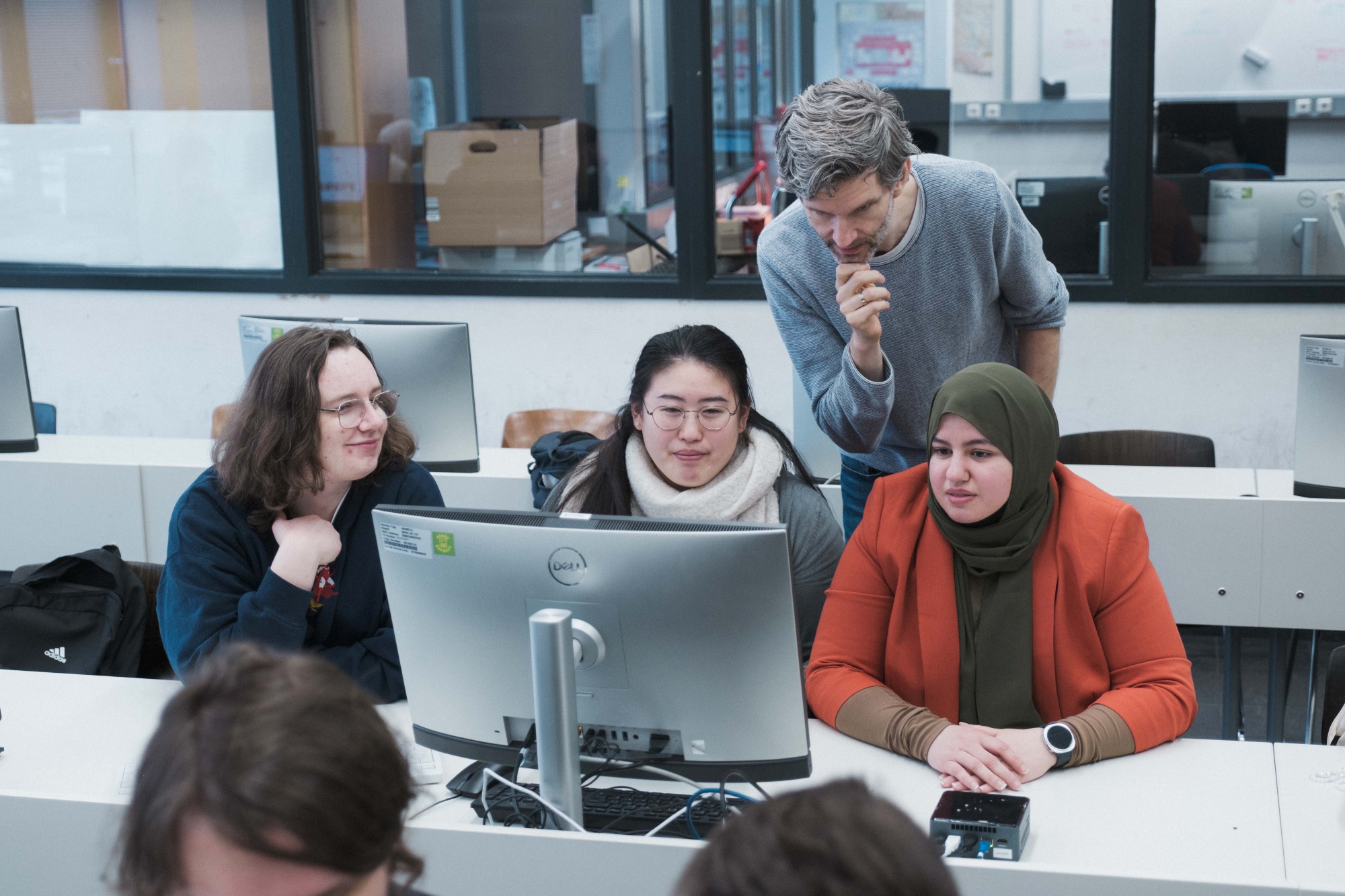 Data Engineering class in action
 ©Spread the Nerd / Rolf Schulten 2025