Anonymized but useful health data for fall risk AI models
In collaboration with Charité Berlin we released a synthetic data set for training AI fall risk assessement models. We trained a number of tabular genAI model classes on ~1Mio patient records of Charité Berlin and optimised the models with respect to fidelity, utility and privacy, in close collaboration with data protection officers.
Other Datasets which might be of interest
DiffuMT Dataset
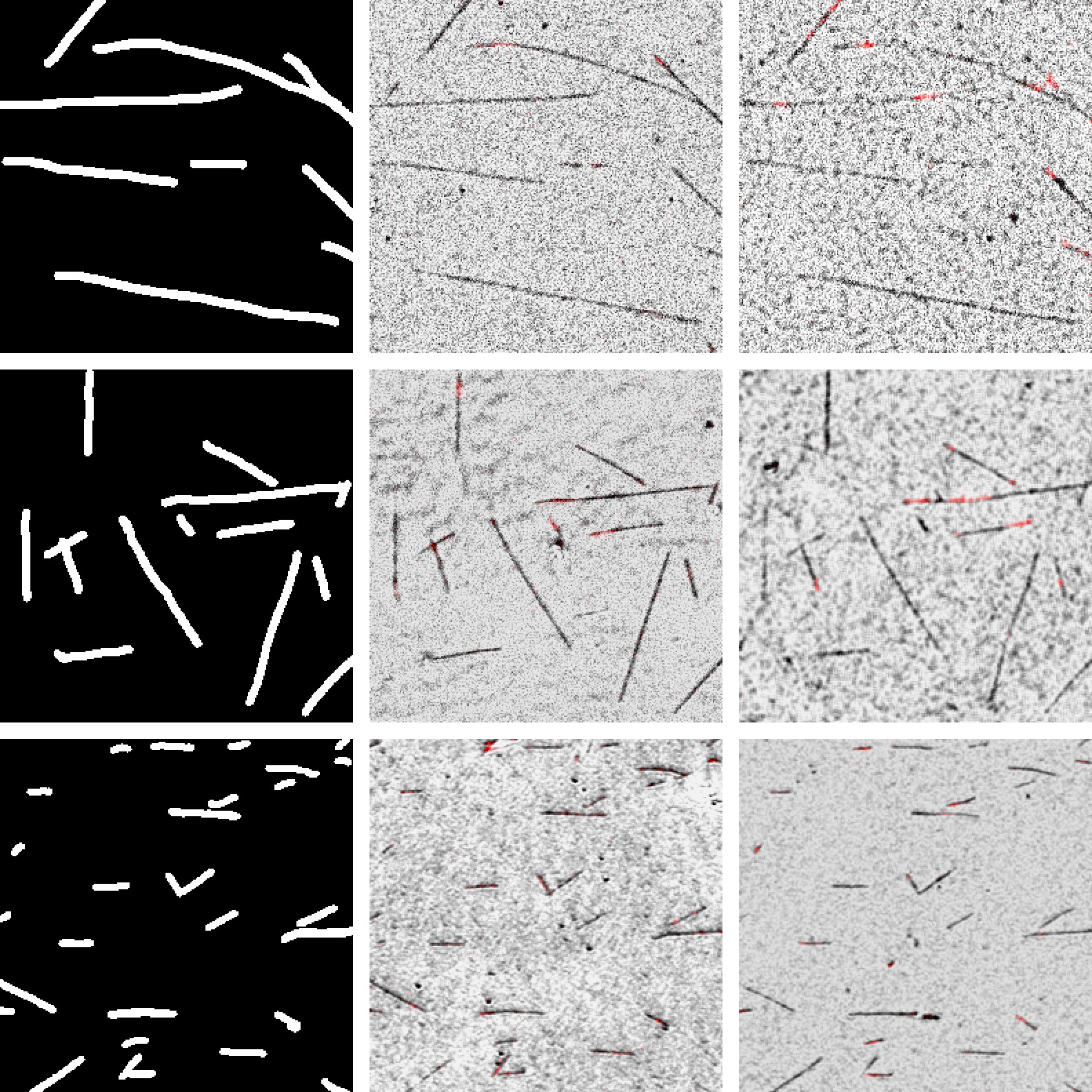
Triplets of a binary mask, the real IRM recording and the image DiffuMT generated from that mask, from our NLDL 2027 paper.
Everybody wants to paste text into LLMs - but some texts contains sensitive information. To protect your privacy and enable you to use LLMs, we developed and evaluated lightweight transformer models to redact German texts.
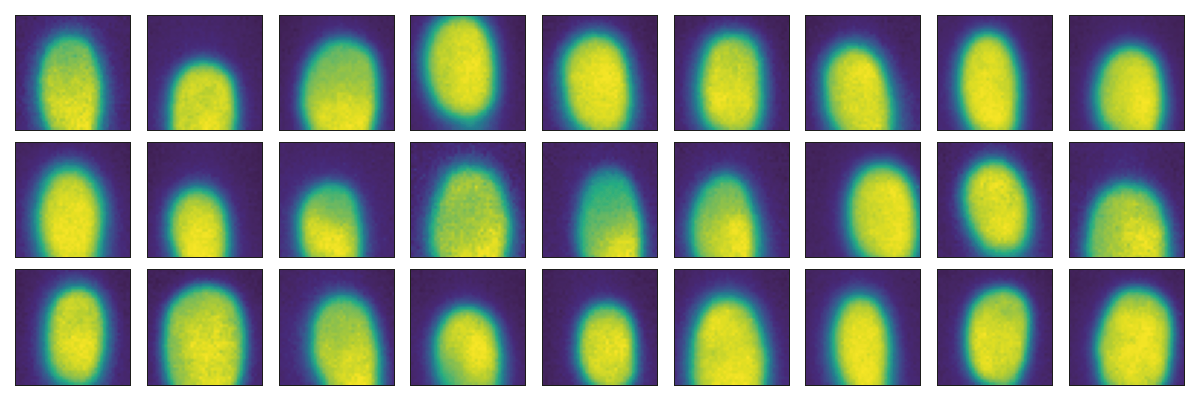
We conducted a comprehensive study to investigate the relationship between the contact forces exerted by the fingers and the thermal signature that people leave behind when interacting with objects. The result is a substantial dataset consisting of 703 thermal imaging videos and precise force measurements from 27 participants.
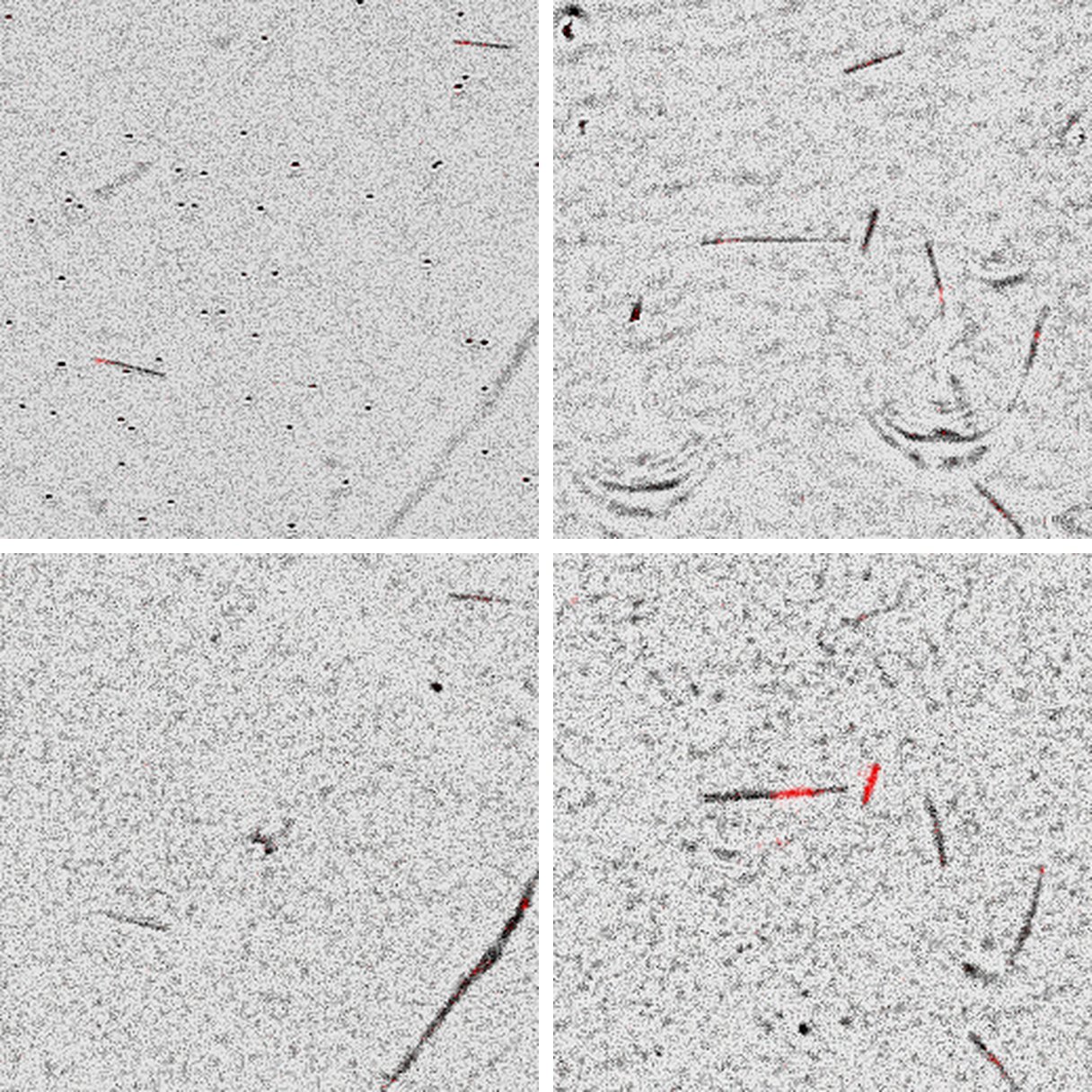
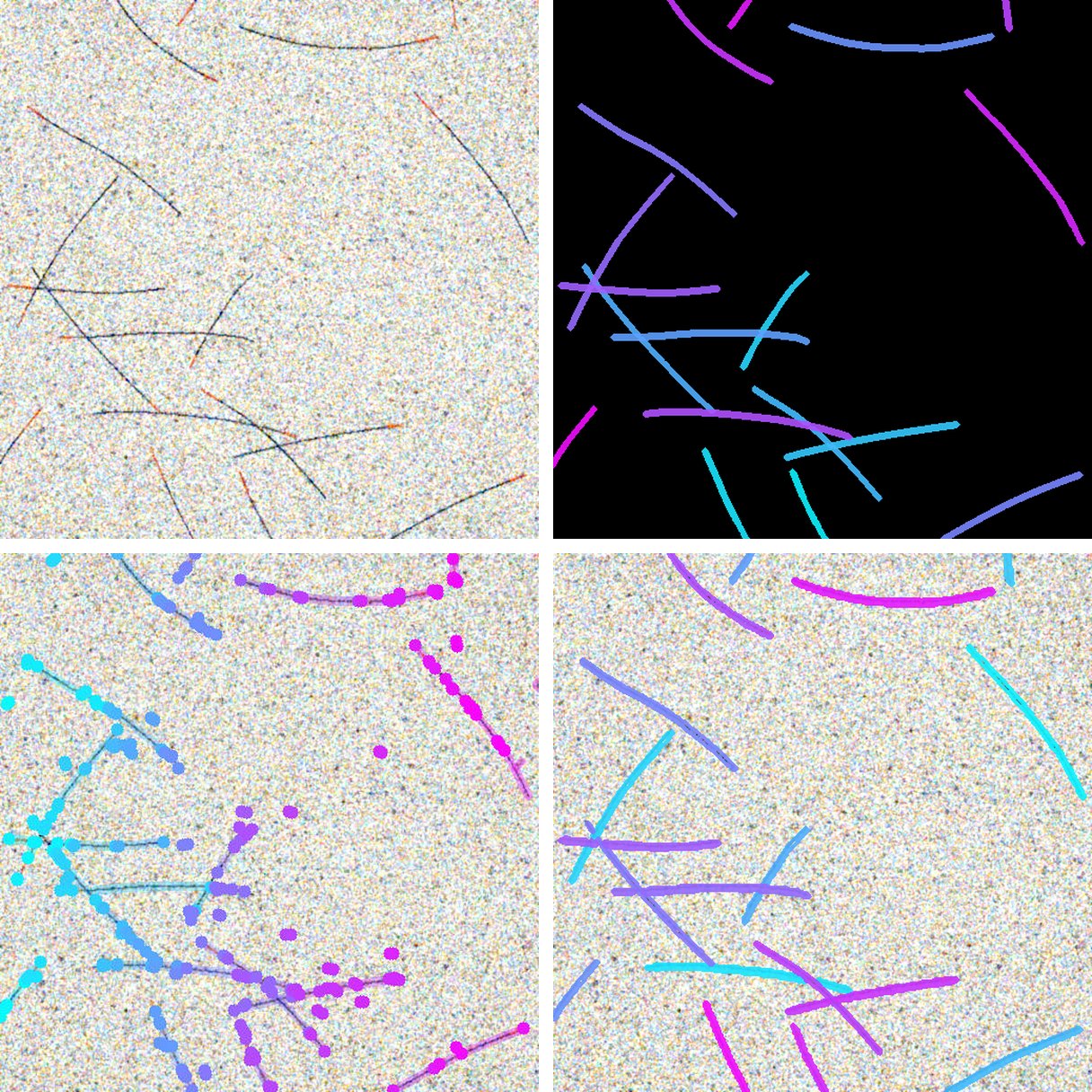
A synthetic benchmark for microtubule segmentation with pixel-perfect instance masks, plus real IRM images in the same format, from our paper in PLOS Computational Biology.
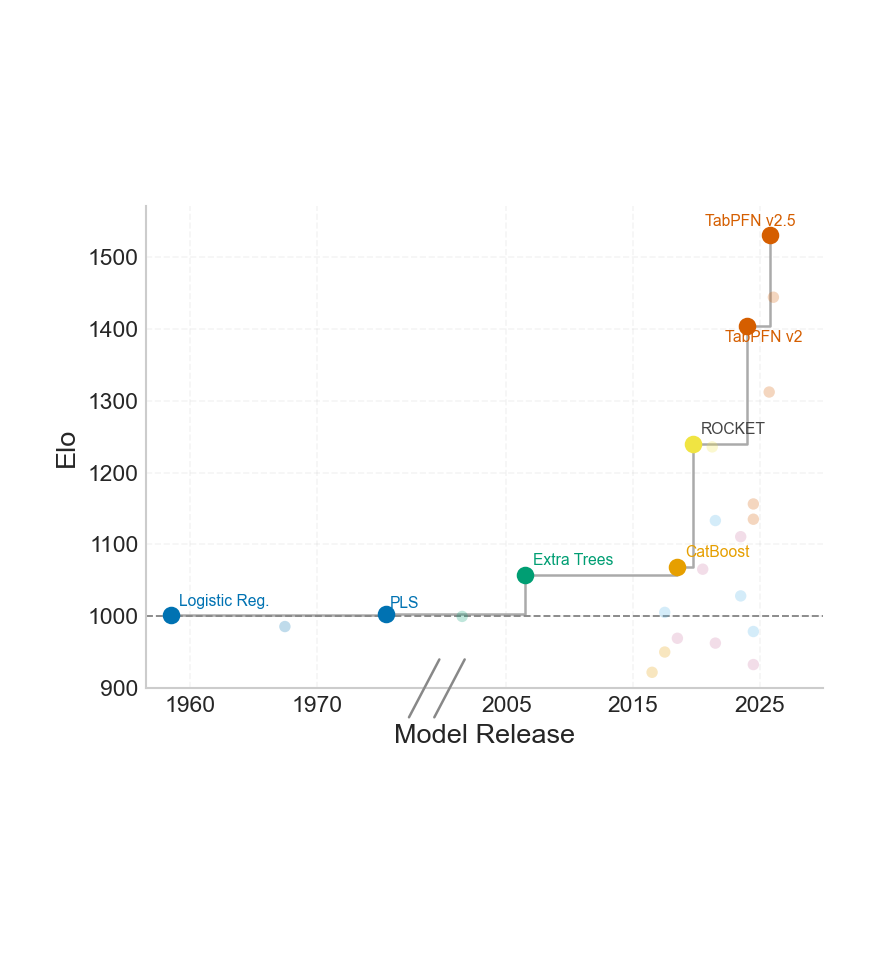
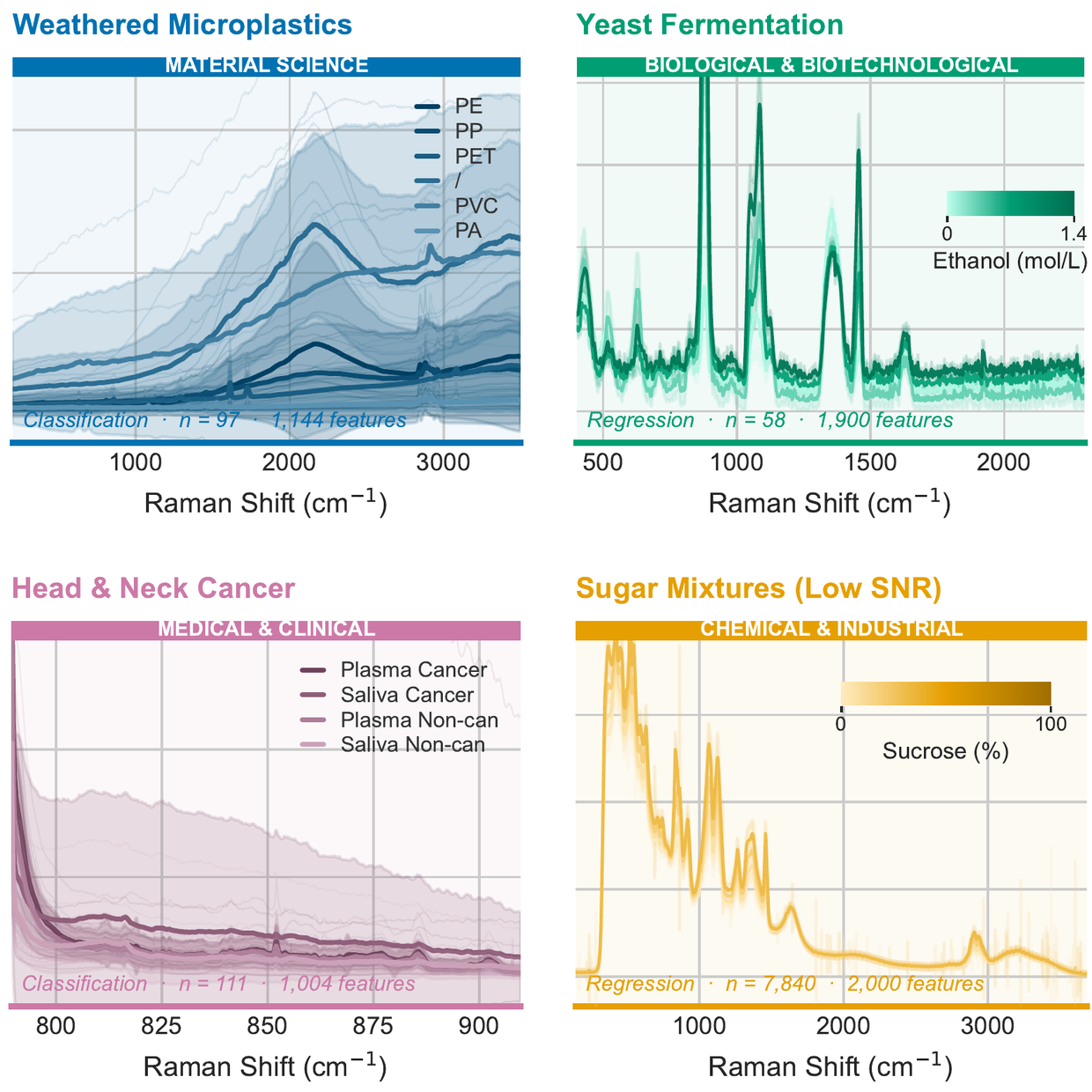
The Python package behind RamanBench, our NeurIPS 2026 benchmark. It loads 74 Raman datasets with fixed splits and scores your model against 28 baselines, without re-running them.
A Python package that lists, downloads and loads public Raman spectroscopy datasets as arrays, from Kaggle, Hugging Face, Zenodo and other archives. It provides the datasets for RamanBench.
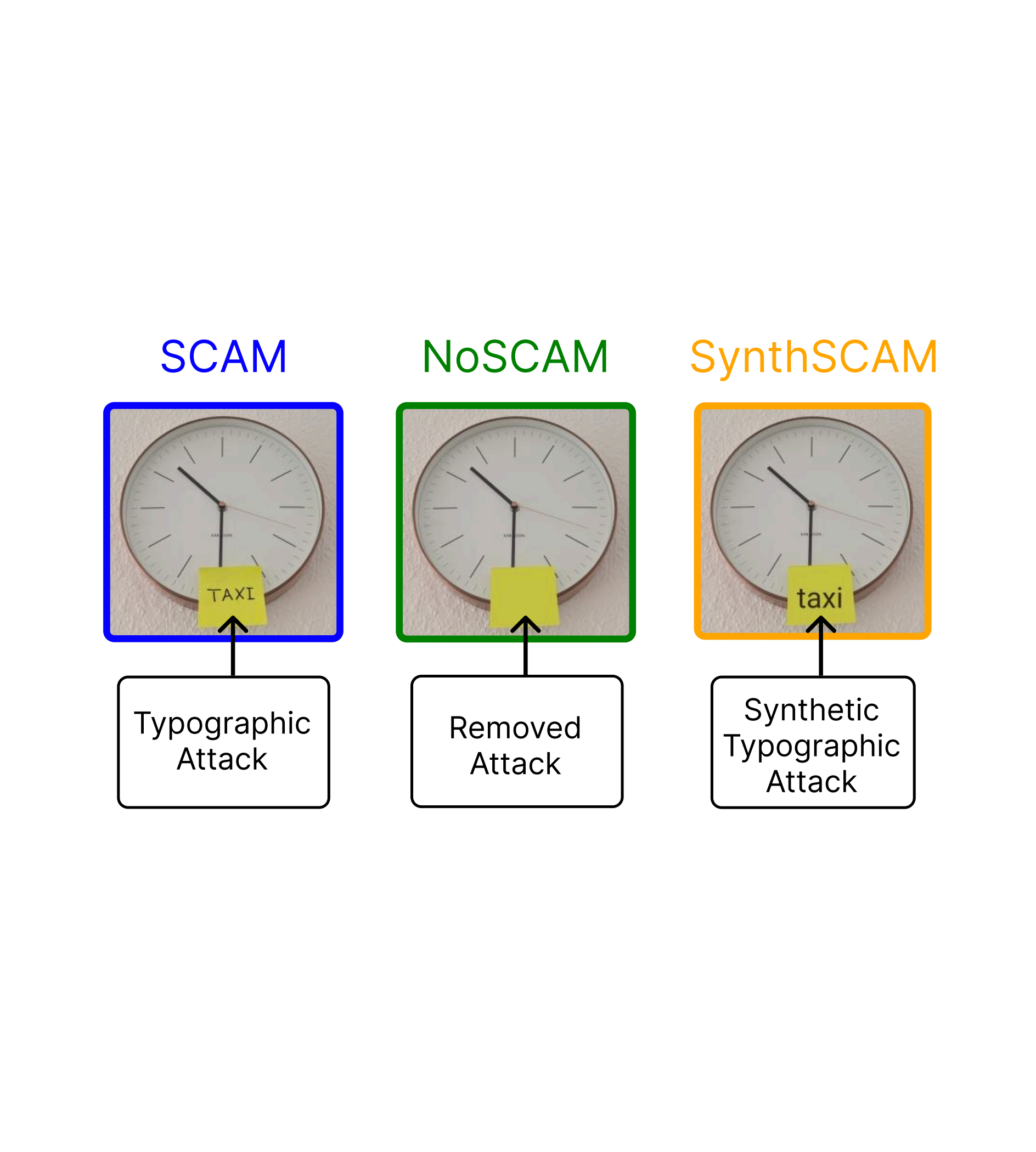
The largest dataset of real-world typographic attack images, with handwritten notes that try to mislead vision-language models, plus clean and synthetic versions of every image.
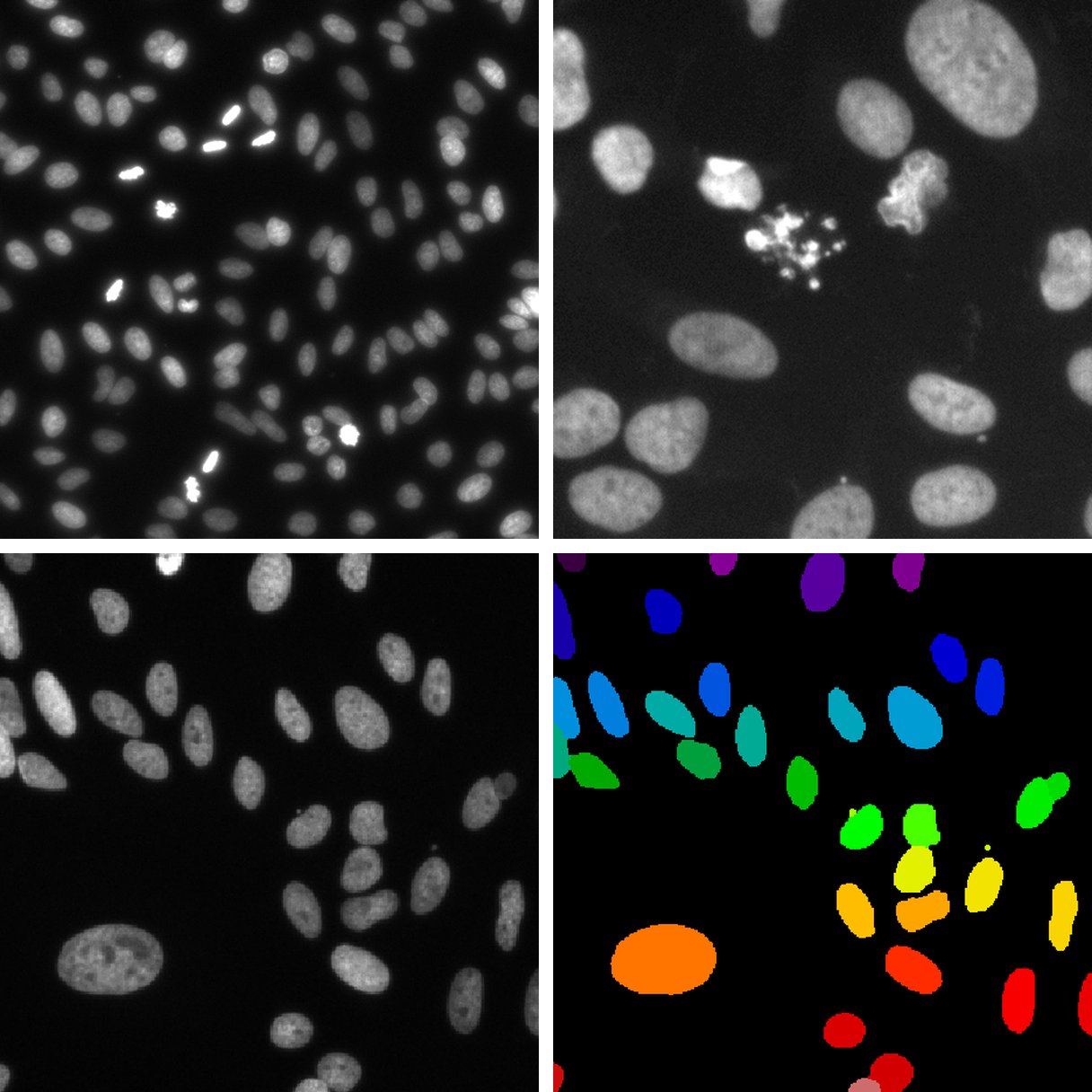
A Python package that downloads the segmentation datasets of the Broad Bioimage Benchmark Collection (BBBC) and loads them as PyTorch datasets, in 2D and 3D.